

Quick answer
Dolphin watching in Tamarin Bay can be ethical when operators follow strict approach protocols: maintaining a 100-meter distance, limiting engine noise, avoiding pursuit, and restricting groups to small boats that do not encircle pods. The wild spinner dolphins of Tamarin Bay rest in shallow coastal waters during morning hours before hunting offshore at night. Ethical tours prioritize observation over interaction, never attempt to swim with resting dolphins, and operate only during the 06:00–12:00 window when the bay is accessible, with early departures between 06:00–08:30 offering the calmest conditions and least disruptive encounters.
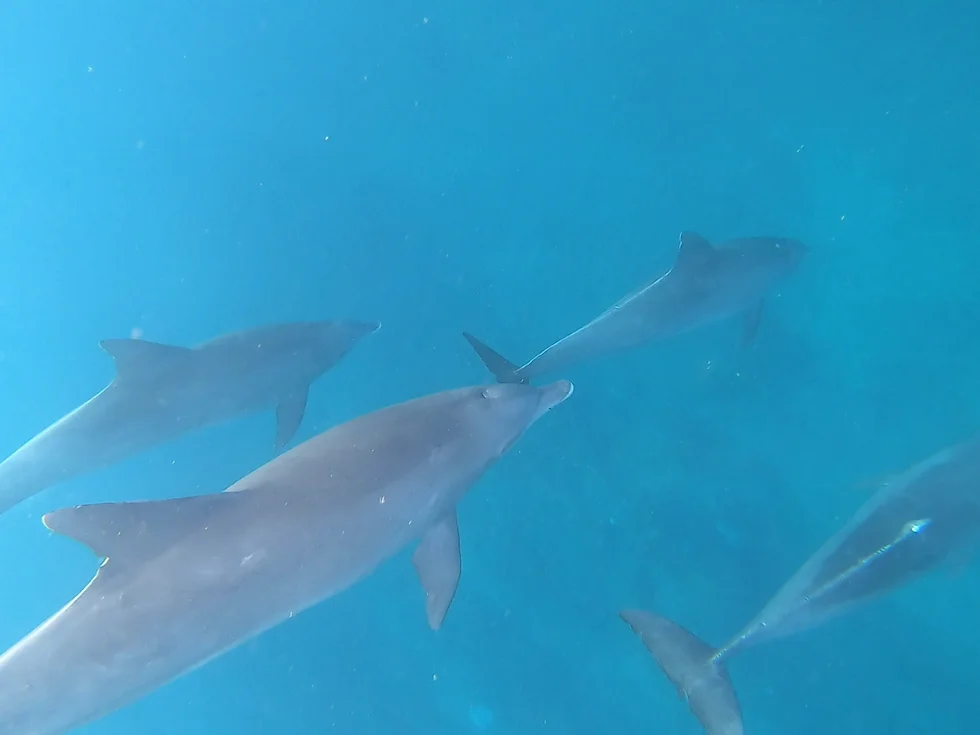
Spinner dolphins return to Tamarin Bay each morning not for human entertainment but to rest in the protected shallows after nocturnal hunting in deep water. The same predictable behavior that makes them easy to observe also makes them vulnerable to disturbance. When boats chase pods, encircle groups, or allow swimmers to pursue dolphins attempting to rest, the animals expend energy they cannot recover, abandon critical resting sites, and experience chronic stress that affects reproduction and calf survival. Responsible dolphin tourism in Mauritius follows a framework built on distance, duration, and restraint. Ethical operators maintain a 100-meter buffer, approach pods from the side rather than head-on, cut engines when within 300 meters, and limit observation periods to 15 minutes per pod. Boats never outnumber three per group of dolphins, never block migration paths, and never deploy swimmers into the water when dolphins are resting or moving away. These protocols mirror international best practices developed in regions like New Zealand, Hawaii, and the Azores, where long-term research has quantified the impact of unregulated tourism on cetacean populations. The ethical debate is not whether humans should observe wild dolphins but how that observation is conducted. A tour departing at 06:30 with a licensed operator who briefs passengers on no-swim policies and maintains regulated distances does not harm the animals. A tour that chases dolphins for an hour, deploys ten swimmers at a time, or operates outside regulated hours contributes to behavioral disruption documented in peer-reviewed marine biology studies. Visitors hold responsibility in this equation by choosing operators who prioritize animal welfare over engagement guarantees and by refusing to support practices that treat dolphins as aquatic attractions rather than wild marine mammals with protected status under Mauritian environmental law. Whether dolphin watching in Tamarin Bay is ethical depends on the choices made by both the industry and the individual traveler. The spinner dolphins are permanent residents of this coastline, not migratory visitors, which means cumulative impact from repeated low-quality encounters compounds over time. Supporting operators who adhere to distance rules, limit group sizes, and educate rather than entertain creates the economic incentive for the entire industry to shift toward sustainability. The alternative is regulatory restriction or, in extreme cases, site closures that other marine tourism destinations have been forced to implement when voluntary compliance fails.
“Spinner dolphins return to Tamarin Bay each morning not for human entertainment but to rest in the protected shallows after nocturnal hunting in deep water.”
Is Dolphin Watching Ethical at Tamarin Bay? Understanding Guidelines
Responsible dolphin watching at Tamarin Bay depends on maintaining proper distance and minimizing disruption to natural behavior. These guidelines help protect spinner dolphins while allowing meaningful observation.
Do
- Keep at least 50 meters from dolphin pods
- Observe quietly without shouting or loud music
- Turn off engines when dolphins approach your boat
- Choose operators who follow Marine Park Authority protocols
- Stay in designated observation zones
- Allow dolphins to set the pace of interaction
Don't
- Don't chase or attempt to swim directly toward dolphins
- Don't feed dolphins or throw objects into the water
- Don't surround pods or block their movement paths
- Don't use flash photography underwater
- Don't overcrowd—limit boats per pod to three
- Don't touch or attempt physical contact with dolphins
When Is Dolphin Watching Ethical and Least Disruptive?
The best arrival window is 06:00–08:30, as early morning provides the calmest water and the highest likelihood of observing dolphins before they head offshore. Prioritizing this time window reduces the intensity of boat traffic and aligns observation with natural dolphin activity patterns.
Summer (Nov–Apr)
High density; busier morningsWarm, 26°C–30°C; prone to rain. Frequent clear mornings support calm sighting conditions before midday heat begins.
Winter (May–Oct)
Moderate density; quieter periodsCooler, 20°C–25°C; stable sea conditions. Mild temperatures often result in calmer waters, benefiting visibility.
Weekday mornings
Low to moderate boat traffic—;Early arrival maximizes the chance of observing dolphins with fewer vessels present in the bay.
Verdict: The best time to visit is during the early morning window of 06:00–08:30 on weekdays between May and October.
Operating Hours for Is Dolphin Watching Ethical Sightseeing
Tamarin Bay is a natural marine environment and remains accessible daily for those observing dolphin activity.
| Monday | 06:00–12:00 | |
|---|---|---|
| Tuesday | 06:00–12:00 | |
| Wednesday | 06:00–12:00 | |
| Thursday | 06:00–12:00 | |
| Friday | 06:00–12:00 | |
| Saturday | 06:00–12:00 | |
| Sunday | 06:00–12:00 |
Getting to Tamarin Bay for Ethical Dolphin Watching
Tamarin Bay is situated in the Rivière Noire District on the western coast of Mauritius. The most practical approach for reaching the departure points for boat excursions is by car or registered taxi.
Follow the B9 coastal road to Tamarin
Take lines 1, 14, or 119 to the Tamarin bus stop
Direct service to Tamarin Bay departure points
Direct water access via licensed tour operators
Check availability
Frequently Asked Questions: Is Dolphin Watching Ethical in Tamarin Bay
Everything you need to know about is dolphin watching ethical